Lifestyle inspiration tools help people stay motivated, set goals, and build better habits. These tools range from smartphone apps to simple notebooks. They offer structure, encouragement, and accountability for anyone who wants to live with more intention.
Finding the right lifestyle inspiration tools can transform daily routines. The best tools match individual preferences and goals. Some people thrive with digital reminders. Others prefer the tactile experience of writing by hand. This guide explores the options available and explains how to choose what works best.
Table of Contents
ToggleKey Takeaways
- Lifestyle inspiration tools—from apps to journals—help you stay motivated, set goals, and build better habits with structure and accountability.
- Digital options like habit-tracking apps (Habitica, Streaks) and mindfulness apps (Headspace, Calm) offer convenience, automation, and progress tracking.
- Analog tools such as bullet journals, vision boards, and planners create deeper engagement for those who prefer a screen-free approach.
- Choose the right lifestyle inspiration tools by matching them to your personal preferences, specific goals, complexity tolerance, and accountability needs.
- Build consistency by starting small, attaching new habits to existing routines, and creating environmental cues that prompt action.
- Review your tools regularly—what worked six months ago may need adjusting as your goals and interests evolve.
What Are Lifestyle Inspiration Tools?
Lifestyle inspiration tools are resources that help individuals stay focused on personal growth. They provide motivation, track progress, and encourage positive habits. These tools address different areas of life, including health, productivity, creativity, and relationships.
The core purpose of lifestyle inspiration tools is simple: they keep goals visible and actionable. A goal written down is more likely to be achieved than one kept only in the mind. These tools create systems that remind users what matters most to them.
Lifestyle inspiration tools come in many forms. Digital options include apps, websites, and online communities. Analog options include journals, planners, vision boards, and printed affirmations. Some people use a combination of both.
The effectiveness of these tools depends on consistent use. A fitness tracker only works if someone wears it. A gratitude journal only helps if someone writes in it regularly. The tool itself provides structure, but the user provides the commitment.
Popular Types of Lifestyle Inspiration Tools
Digital Apps and Platforms
Digital lifestyle inspiration tools offer convenience and automation. They sync across devices, send reminders, and track data over time.
Habit-tracking apps rank among the most popular options. Apps like Habitica, Streaks, and Loop let users set daily goals and monitor their consistency. Seeing a streak grow creates momentum. Breaking a streak hurts, and that pain can motivate action.
Mindfulness apps provide another category of digital inspiration. Headspace, Calm, and Insight Timer offer guided meditations, breathing exercises, and sleep stories. These apps help users build mental clarity and emotional balance.
Goal-setting platforms take a broader approach. Apps like Notion, Todoist, and Trello let users organize their aspirations into projects with deadlines and milestones. They turn vague dreams into concrete action plans.
Social platforms also serve as lifestyle inspiration tools. Pinterest boards collect visual ideas for home design, recipes, or personal style. Instagram accounts dedicated to fitness, minimalism, or creativity provide daily doses of motivation. Online communities on Reddit or Discord connect people with shared goals.
Analog Options for Daily Motivation
Digital tools aren’t for everyone. Many people find that physical, hands-on lifestyle inspiration tools create deeper engagement.
Journaling remains one of the most effective analog practices. Bullet journals let users customize their planning systems completely. Gratitude journals focus attention on positive experiences. Morning pages, a practice of writing three pages by hand each morning, clear mental clutter and spark creativity.
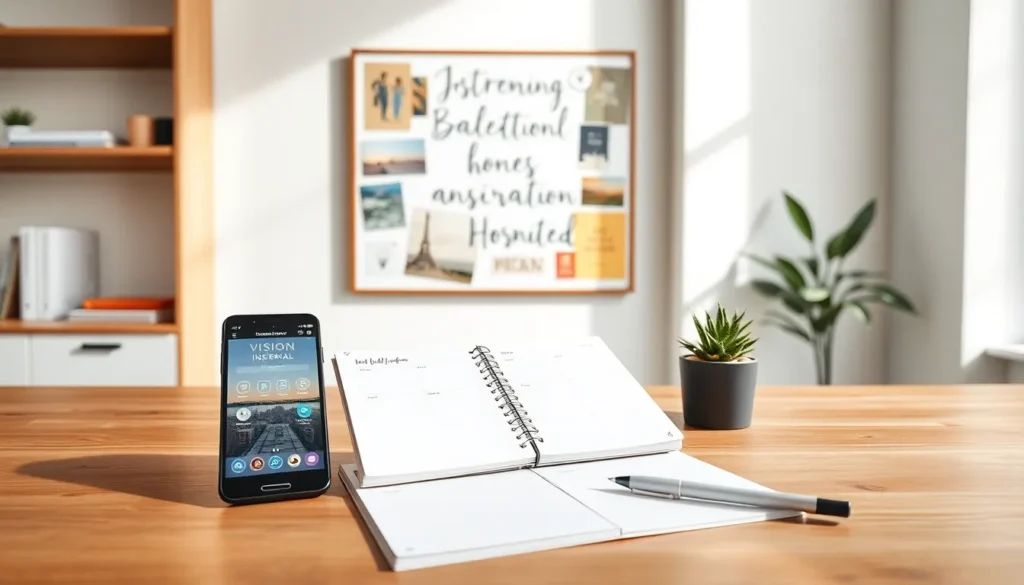
Vision boards translate abstract goals into visual form. Users cut images and words from magazines or print them from the internet. They arrange these elements on a board and display it where they’ll see it daily. This constant visual reminder keeps long-term aspirations present.
Planners and calendars provide structure without technology. The Passion Planner and the Full Focus Planner are designed specifically to blend goal-setting with daily scheduling. Writing appointments and tasks by hand can improve memory and commitment.
Physical books also serve as lifestyle inspiration tools. A well-chosen self-help book, biography, or essay collection can shift perspective and spark new ideas. Keeping a reading list and revisiting favorite passages extends the value of these resources.
How to Choose the Right Tools for Your Goals
Selecting the right lifestyle inspiration tools requires honest self-assessment. The best tool for one person may frustrate another. Several factors determine which options will actually get used.
First, consider personal preferences. Do you check your phone constantly or avoid screens when possible? Digital tools work for people who already spend time on devices. Analog tools suit those who want a break from technology.
Second, identify specific goals. Someone training for a marathon needs different lifestyle inspiration tools than someone building a meditation practice. Fitness trackers measure physical activity. Mood journals capture emotional patterns. Match the tool to the outcome.
Third, evaluate complexity tolerance. Some people love detailed systems with categories, tags, and color codes. Others abandon anything that requires more than thirty seconds of daily input. Start simple and add complexity only if it genuinely helps.
Fourth, consider cost. Many lifestyle inspiration tools are free. Others require subscriptions or one-time purchases. Free apps often include enough features for most users. Premium options may offer additional coaching, analytics, or customization.
Fifth, think about accountability needs. Some people stay motivated independently. Others need external support. Apps with social features, accountability partners, or coaching components provide that extra push.
Testing multiple lifestyle inspiration tools before committing is perfectly reasonable. Most apps offer free trials. Libraries lend books on personal development. Experiment until something clicks.
Tips for Building a Consistent Inspiration Practice
Owning lifestyle inspiration tools is easy. Using them consistently is harder. These strategies help build lasting habits around inspiration.
Attach new practices to existing routines. This technique, called habit stacking, increases follow-through. Review a vision board while drinking morning coffee. Open a habit-tracking app right after brushing teeth at night. The established habit triggers the new one.
Start smaller than feels necessary. Commit to one minute of journaling, not thirty. Promise three push-ups, not thirty. Small commitments are easy to keep. Consistency matters more than intensity in the beginning.
Create environmental cues. Leave a journal on the pillow so it must be moved before bed. Set a phone wallpaper that displays current goals. Put a motivational quote on the bathroom mirror. These cues prompt action without requiring memory or willpower.
Track progress visibly. Crossing items off a list or filling in calendar squares creates satisfaction. This visible progress reinforces the behavior. Many lifestyle inspiration tools include built-in tracking for this reason.
Forgive missed days without drama. Everyone skips a day sometimes. The danger isn’t missing once, it’s letting one missed day become two, then three, then abandonment. Return to the practice immediately after a lapse.
Review and adjust regularly. Goals change. Interests shift. A lifestyle inspiration tool that worked six months ago may no longer fit. Schedule monthly or quarterly reviews to assess what’s helping and what should be replaced.