Lifestyle inspiration trends 2026 are already taking shape, and they’re pointing toward something meaningful. People want more than surface-level changes. They want lives that feel grounded, connected, and purposeful.
This year, the focus shifts from accumulation to intention. From hustle culture to slower rhythms. From individual gains to collective well-being. These aren’t just passing fads, they reflect a deeper cultural shift in how people define success, happiness, and fulfillment.
Whether someone is rethinking their daily habits or reimagining their entire lifestyle, 2026 offers clear direction. Here’s what’s driving the conversation and shaping the year ahead.
Table of Contents
ToggleKey Takeaways
- Lifestyle inspiration trends 2026 prioritize intention over accumulation, shifting focus from hustle culture to slower, more purposeful living.
- Slow living gains momentum as people embrace fewer commitments, declutter digital noise, and ask whether each activity adds real value.
- Wellness expands beyond fitness to include mental health, emotional intelligence, sleep optimization, and spiritual well-being.
- Conscious consumption replaces mindless buying—repairing, borrowing, and choosing secondhand items become values-driven lifestyle choices.
- Digital detox and mindful technology use help people reclaim attention, set screen boundaries, and protect mental space.
- Community-centered living rises as people seek real connection through local events, volunteerism, and mutual support networks.
Slow Living and Intentional Simplicity
Slow living isn’t new, but it’s gaining serious momentum as a lifestyle inspiration trend in 2026. More people are rejecting the pressure to do everything faster. Instead, they’re choosing to do fewer things with greater care.
This shift shows up in daily routines. Morning rituals replace rushed commutes. Handwritten notes replace quick texts. Home-cooked meals replace delivery apps. The goal isn’t perfection, it’s presence.
Intentional simplicity also means decluttering beyond physical spaces. People are cutting back on commitments, subscriptions, and digital noise. They’re asking one simple question: Does this add value to my life?
The result? Less stress, more clarity, and a stronger sense of control. Slow living in 2026 isn’t about doing nothing. It’s about doing what matters most, and letting go of the rest.
Wellness Beyond Fitness
Wellness in 2026 expands far beyond gym memberships and step counts. Physical health still matters, but lifestyle inspiration trends now emphasize mental, emotional, and even spiritual well-being.
Therapy is no longer stigmatized, it’s standard. Journaling, breathwork, and meditation are mainstream practices. Sleep optimization has become as important as workout schedules. People are treating rest as productive, not lazy.
Emotional intelligence is another focus area. Understanding one’s feelings, setting boundaries, and building healthier relationships are all part of the wellness conversation. Self-care now includes saying “no” without guilt.
Spiritual wellness is also on the rise, though not always in traditional forms. Some explore ancient practices. Others find meaning through nature, art, or community service. The common thread? People want to feel whole, not just healthy.
This broader view of wellness reflects a cultural shift. Health is no longer measured by appearance alone. It’s measured by how someone feels when they wake up, and how they move through the day.
Sustainable and Conscious Consumption
Sustainability remains a dominant lifestyle inspiration trend in 2026, but it’s evolving. Consumers aren’t just buying “green” products, they’re questioning whether they need to buy at all.
Conscious consumption means thinking before purchasing. It means choosing quality over quantity. Repairing instead of replacing. Borrowing instead of owning. This mindset applies to fashion, home goods, electronics, and even food.
The secondhand market continues to grow. Thrift stores, resale apps, and swap events are now mainstream. Buying used isn’t a budget move, it’s a values-driven choice.
Brands are responding. Transparency matters more than ever. Consumers want to know where products come from, who made them, and what happens after they’re discarded. Greenwashing doesn’t fly anymore.
This trend also connects to minimalism. Owning less means fewer decisions, less clutter, and less environmental impact. For many, it also means more freedom.
In 2026, sustainability isn’t a checkbox. It’s a lifestyle built on awareness and accountability.
Digital Detox and Mindful Technology Use
Technology isn’t going anywhere, but people are rethinking their relationship with it. Digital detox is a leading lifestyle inspiration trend in 2026, and it’s not about abandoning devices entirely.
Mindful technology use means setting boundaries. Turning off notifications. Scheduling screen-free hours. Keeping phones out of bedrooms. These small changes create space for deeper focus and better sleep.
Social media fatigue is real. Many users are reducing their time on platforms or leaving altogether. Others are curating their feeds more carefully, unfollowing accounts that trigger comparison or anxiety.
Parents are especially concerned. Screen time limits for children are becoming stricter. Families are prioritizing offline activities like board games, outdoor play, and shared meals.
The goal isn’t to demonize technology. It’s to use it with intention. Phones should serve people, not the other way around.
2026 marks a turning point. People are reclaiming their attention and protecting their mental space. That’s a lifestyle shift worth following.
Community-Centered Living
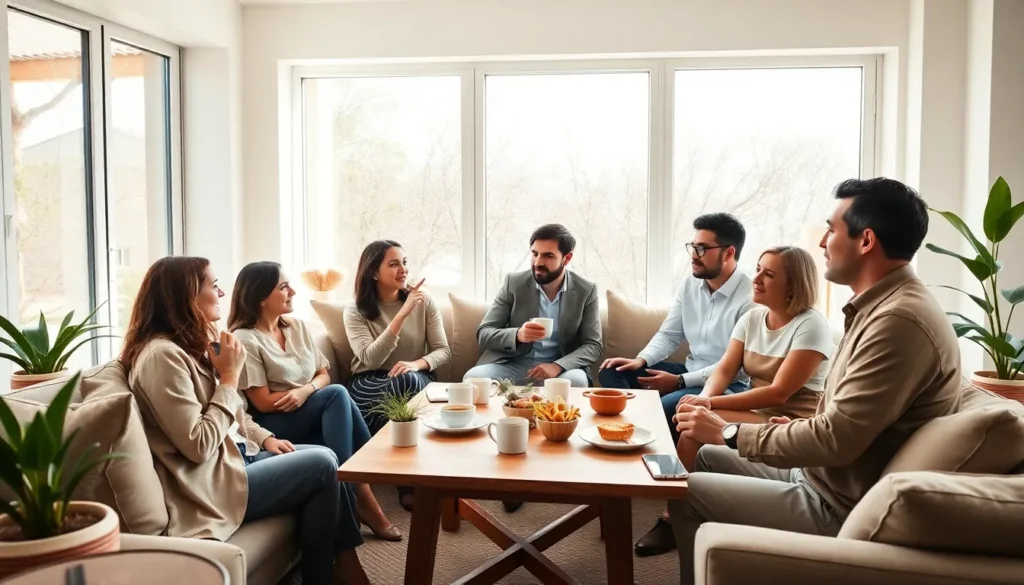
Isolation defined recent years for many. Now, community-centered living is emerging as a powerful lifestyle inspiration trend in 2026. People are craving real connection, not just likes and comments.
This shows up in different ways. Neighbors are organizing potlucks and skill-sharing events. Co-housing communities are gaining interest. Local businesses are thriving as people choose to support nearby shops over big-box retailers.
Volunteerism is also rising. More individuals want to contribute to causes that matter. They’re joining local clean-ups, mentoring programs, and mutual aid groups. Giving back feels good, and it builds stronger bonds.
Workplaces are getting involved too. Companies are encouraging team volunteering days and supporting employee-led community projects. Purpose-driven work attracts talent.
Community-centered living isn’t about losing independence. It’s about recognizing that humans thrive when they feel connected. Shared experiences, collective support, and a sense of belonging all contribute to a richer life.
In 2026, the message is clear: going it alone isn’t the goal. Building together is.